2026-10-19 ·
Complete Guide to Sewer backup cleanup in Taylorsville, Utah
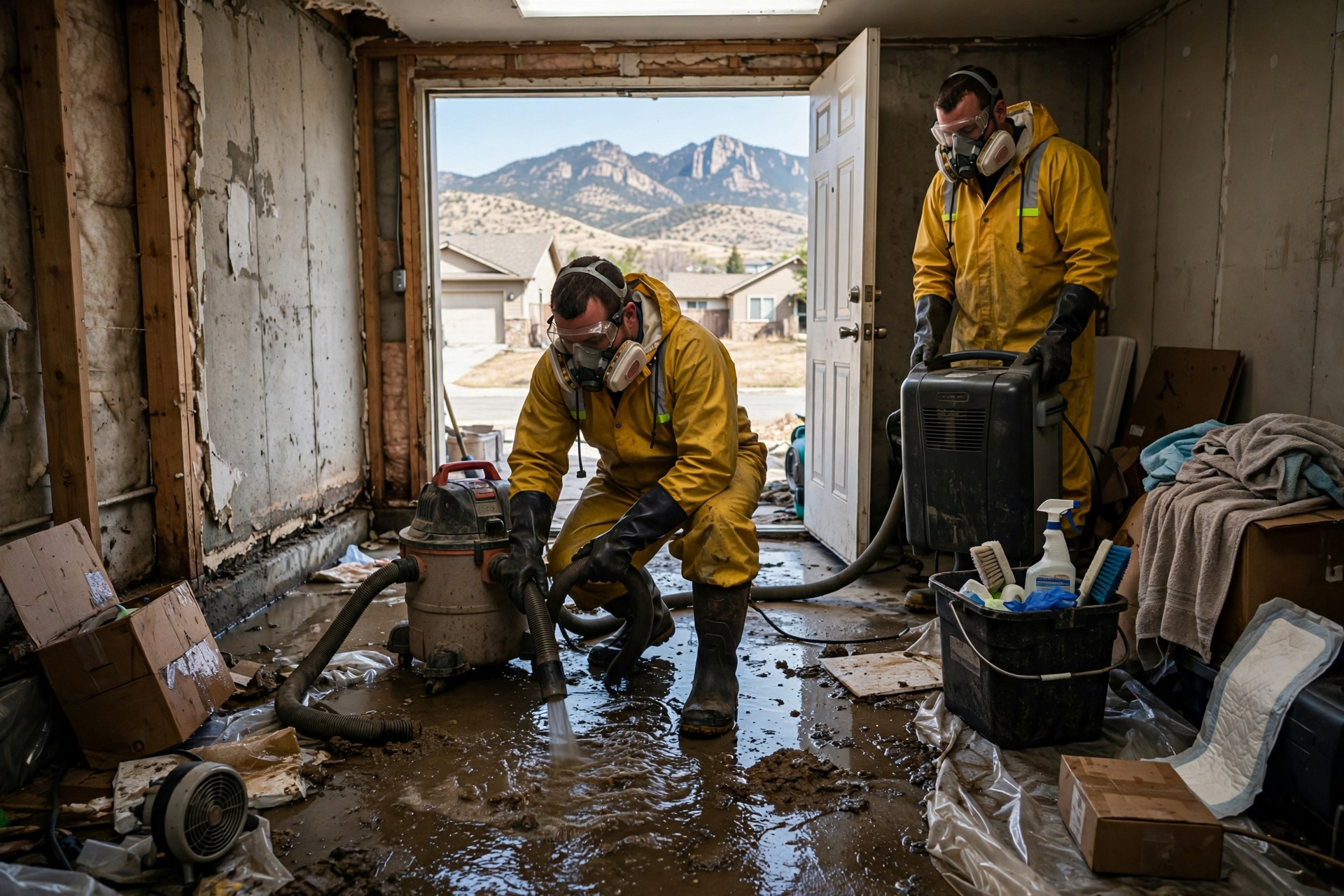
Sewer backup cleanup in Taylorsville requires prompt sewage extraction and removal followed by disinfection and drying to restore homes safely, especially in older housing stock found across Taylorsville Central and Bennion where tree roots and aging pipes increase risks during cold snowy winters.
Common Causes of Sewer Backups in Taylorsville
Homes in Taylorsville Central and nearby Bennion often feature 1970s and 1980s construction with clay or cast-iron lines that crack or clog from grease, wipes, and invasive roots common in the semi-arid soil. Heavy snowmelt in winter combined with sudden spring rains can overwhelm municipal lines running near the Jordan River, pushing backups into basements. Properties close to Valley Fair Mall or Redwood see similar issues from shared laterals strained by commercial runoff. Cold temperatures below freezing expand pipe joints while hot summers dry soil and shift foundations, stressing connections. These patterns differ from newer builds in West Valley City where PVC lines handle volume better. Understanding these local triggers helps residents spot early warning signs like gurgling drains before full backups occur.
Health Risks and Immediate Safety Steps
Raw sewage carries bacteria, viruses, and parasites that pose serious risks in confined spaces like basements common in Taylorsville homes. Exposure through skin contact or inhalation can lead to gastrointestinal illness or respiratory issues, particularly dangerous for children and elderly residents in Redwood neighborhoods. The first action is evacuation and shutting off water at the main valve. Avoid electrical outlets near standing water and never attempt DIY removal without proper PPE. Professional teams use negative air machines and containment barriers to prevent cross-contamination into living areas. In Salt Lake County's dry climate, airborne particles from dried sewage linger longer, making rapid containment essential. Residents near Taylorsville Park should also watch for backups after park irrigation cycles increase system load.
Step-by-Step Sewer Backup Cleanup Process
Cleanup begins with sewage extraction and removal using truck-mounted pumps to remove standing water and solids. Next comes sewage disinfection and sanitization with EPA-registered agents applied to all affected surfaces including subfloors and wall cavities. Structural drying and dehumidification follows using industrial air movers and dehumidifiers calibrated for Utah's low humidity, which speeds moisture removal but requires monitoring to avoid over-drying wood. Contaminated material removal targets porous items like carpet and drywall that cannot be salvaged. Final sewage odor removal employs ozone or hydroxyl generators. Each phase adapts to local conditions, such as slower drying in winter when outdoor temps drop below freezing.
Local Climate and Terrain Considerations
Taylorsville's semi-arid climate with hot summers and cold snowy winters directly affects cleanup timelines. Winter backups often freeze in crawl spaces, requiring heated extraction equipment not needed in milder Murray or Salt Lake City jobs. Summer heat accelerates bacterial growth in standing water near the Jordan River Parkway District, demanding faster response. The flat terrain around Bennion means water spreads widely before pooling, increasing affected square footage. Soil composition here retains moisture longer than in West Valley City, extending drying times by days. These factors require crews familiar with Salt Lake County conditions to adjust equipment and sequencing accordingly.
Prevention Strategies for Taylorsville Homes
Regular line inspections every 18–24 months catch root intrusion before it causes backups, especially valuable for properties bordering Taylorsville Park green spaces. Install backflow preventers on main lines and avoid flushing non-biodegradable items. In neighborhoods like Redwood, schedule camera inspections after major snow events when melt increases pressure. Keep gutters clear to reduce stormwater entry into combined systems. For homes near Valley Fair Mall commercial zones, monitor shared laterals for grease buildup. These steps reduce emergency calls during peak winter months when 24/7 service at 2490 W 4700 S becomes critical for Salt Lake County residents.