2026-10-19 ·
Complete Guide to Emergency sewage cleanup in Taylorsville, Utah
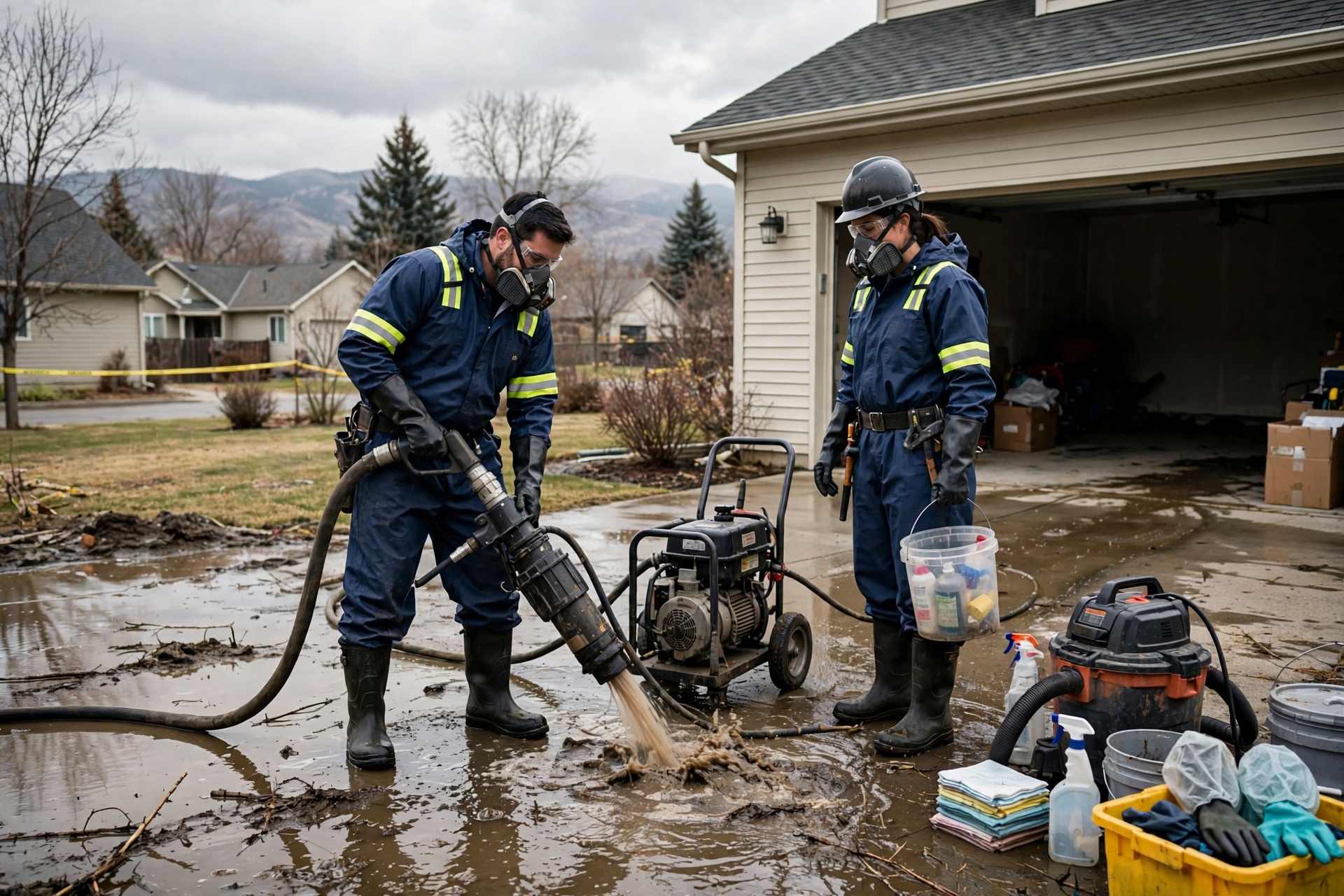
Emergency sewage cleanup in Taylorsville, Utah begins with immediate containment and extraction to limit damage from backups that frequently occur in older homes across Taylorsville Central and Bennion during winter freezes. Crews address the source, remove contaminated water, and dry affected structures while accounting for the semi-arid climate that swings from hot summers to cold snowy winters. These conditions affect how quickly mold sets in and how soil saturation around foundations in Redwood changes the job scope.
Local Factors Affecting Sewage Backup Removal
Taylorsville sits in Salt Lake County where many homes built decades ago connect to aging sewer lines that run near the Jordan River. Cold winters cause pipes to contract and crack, pushing sewage into basements especially after heavy snowmelt. Hot summers dry soil quickly but leave behind concentrated contaminants that crews must neutralize before structural drying begins. Nearby West Valley City and Murray share similar terrain, so crews often coordinate routes between these areas when multiple calls come in during storms. Landmarks like Valley Fair Mall sit on flatter ground that can pool water faster than hillside properties near Taylorsville Park.
Step-by-Step Emergency Response Process
The first action is always stopping the flow at the source, followed by safe removal of standing sewage. Technicians then extract water from carpets, subfloors, and walls using truck-mounted equipment suited to the 24/7 calls received at 2490 W 4700 S, Salt Lake City, UT 84119. Next comes disinfection of all surfaces and removal of porous materials that cannot be salvaged. Final drying uses dehumidifiers calibrated for Utah’s low humidity to prevent secondary moisture issues. Homeowners in Redwood and Bennion often see faster results when they clear access paths before crews arrive.
Health Risks and Containment in Taylorsville Homes
Raw sewage carries bacteria that spread quickly in confined basements common to Taylorsville housing stock. Crews wear full PPE and set up negative air machines to keep particles from migrating to living spaces. The area’s temperature swings mean bacteria multiply faster in summer heat, requiring stronger sanitizers than winter jobs. Properties near Taylorsville Park with higher water tables face extra groundwater intrusion that mixes with backups and lengthens the drying phase. All work follows strict protocols to protect residents and restore safe indoor air.
When to Call for Professional Sewage Extraction
Any visible backup or strong odor warrants an immediate call rather than DIY attempts that can spread contamination. Emergency sewage cleanup teams respond around the clock and bring the specialized pumps needed for Salt Lake County soil conditions. Delaying action often turns a contained incident into structural repairs, especially after winter thaws saturate yards in the Redwood Corridor. Sewage backup cleanup crews also document conditions for insurance claims common in this region.
Preventing Recurring Issues After Cleanup
Regular sewer line inspections help catch problems before they reach living areas in older Taylorsville neighborhoods. Homeowners near Murray and Salt Lake City borders sometimes install backflow valves after major events. Keeping gutters clear reduces surface water pressure on foundations during spring melts. For deeper guidance on related situations, see the Complete Guide to Sewer backup cleanup in Taylorsville, Utah.