2026-10-19 ·
Complete Guide to Basement sewage cleanup in Taylorsville, Utah
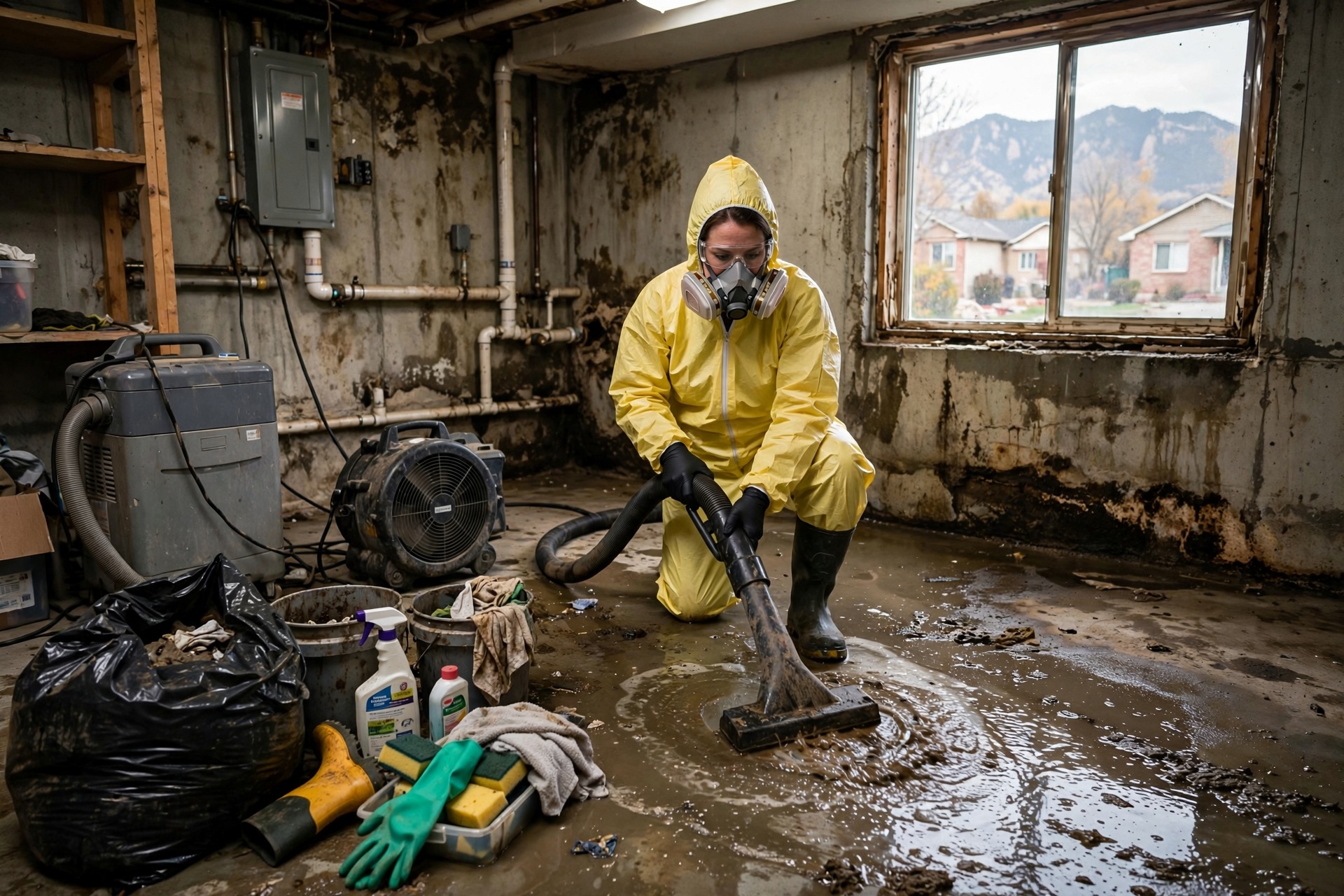
Basement sewage cleanup in Taylorsville typically requires 3–7 days of active work once extraction begins, depending on water volume and how far it spreads through concrete slabs or finished walls common in 1960s–1980s homes in Bennion and Redwood.
Causes of Basement Sewage Issues in Taylorsville Homes
Taylorsville’s semi-arid climate brings hot summers that dry soil quickly and cold snowy winters that send meltwater into older sewer lines. Homes built before 1990 in Taylorsville Central and Bennion often have clay or cast-iron pipes that crack from repeated freeze-thaw cycles. Heavy snow loads around Valley Fair Mall and Taylorsville Park can overwhelm municipal lines shared with West Valley City and Murray, pushing backups into low-lying basements. Salt Lake County soil shifts slightly each spring, stressing joints where laterals meet main sewers. These conditions turn a simple clog into standing black water that soaks drywall and subfloors within hours.
Initial Assessment and Safety Measures
A technician starts by locating the source, checking cleanouts behind the home, and mapping how far contaminated water traveled across the slab. In Taylorsville’s older neighborhoods, finished basements with carpet or laminate hide moisture that can wick up walls for weeks if missed. Proper PPE includes respirators rated for hydrogen sulfide and splash suits because raw sewage carries bacteria that remain active in cold winter temperatures. Power to affected circuits is shut off at the panel to avoid shock hazards when water reaches outlets. Documentation with photos and moisture readings establishes the full scope before any removal begins.
Sewage Extraction and Removal Process
Technicians use truck-mounted pumps and submersible units to pull standing water through the lowest point, often a floor drain or exterior cleanout. Sewage extraction and removal continues until no visible liquid remains, then absorbent pads pull residual moisture from porous materials. In Redwood homes with walk-out basements, crews may route hoses through side yards to avoid tracking waste through living areas. All removed material goes to licensed disposal sites; nothing is dumped on local lots or near the Jordan River corridor. This step usually takes 4–8 hours on a standard 1,200-square-foot basement.
Cleaning, Disinfection, and Odor Control
After extraction, non-porous surfaces receive a hospital-grade disinfectant applied in two passes with dwell time between. Porous items like carpet pad, insulation, and drywall below the water line are cut out and bagged for contaminated material removal. Odor lingers in concrete and wood framing, so crews run hydroxyl generators or vapor-phase deodorizers for 24–48 hours. Sewage backup cleanup protocols require negative air machines to keep particles from drifting into upper floors. In Taylorsville’s dry summers, windows can be opened safely once extraction finishes; winter jobs rely on sealed containment and dehumidifiers instead.
Drying, Restoration, and Prevention Steps
Structural drying follows disinfection, with commercial air movers and dehumidifiers running until moisture readings drop below 12 percent. In cold months, supplemental heat prevents condensation on slab edges. Homeowners in Murray and Salt Lake City borders often add backflow valves or clean main lines every 18–24 months to reduce repeat events. Replacing old cast-iron sections with PVC during restoration prevents future cracks from soil movement. Regular checks of the cleanout near the street catch early clogs before they reach the basement. For deeper reading on related sewer issues, see the Complete Guide to Sewer backup cleanup in Taylorsville, Utah.