2026-10-19 ·
Complete Guide to Sewage backup cleanup in Taylorsville, Utah
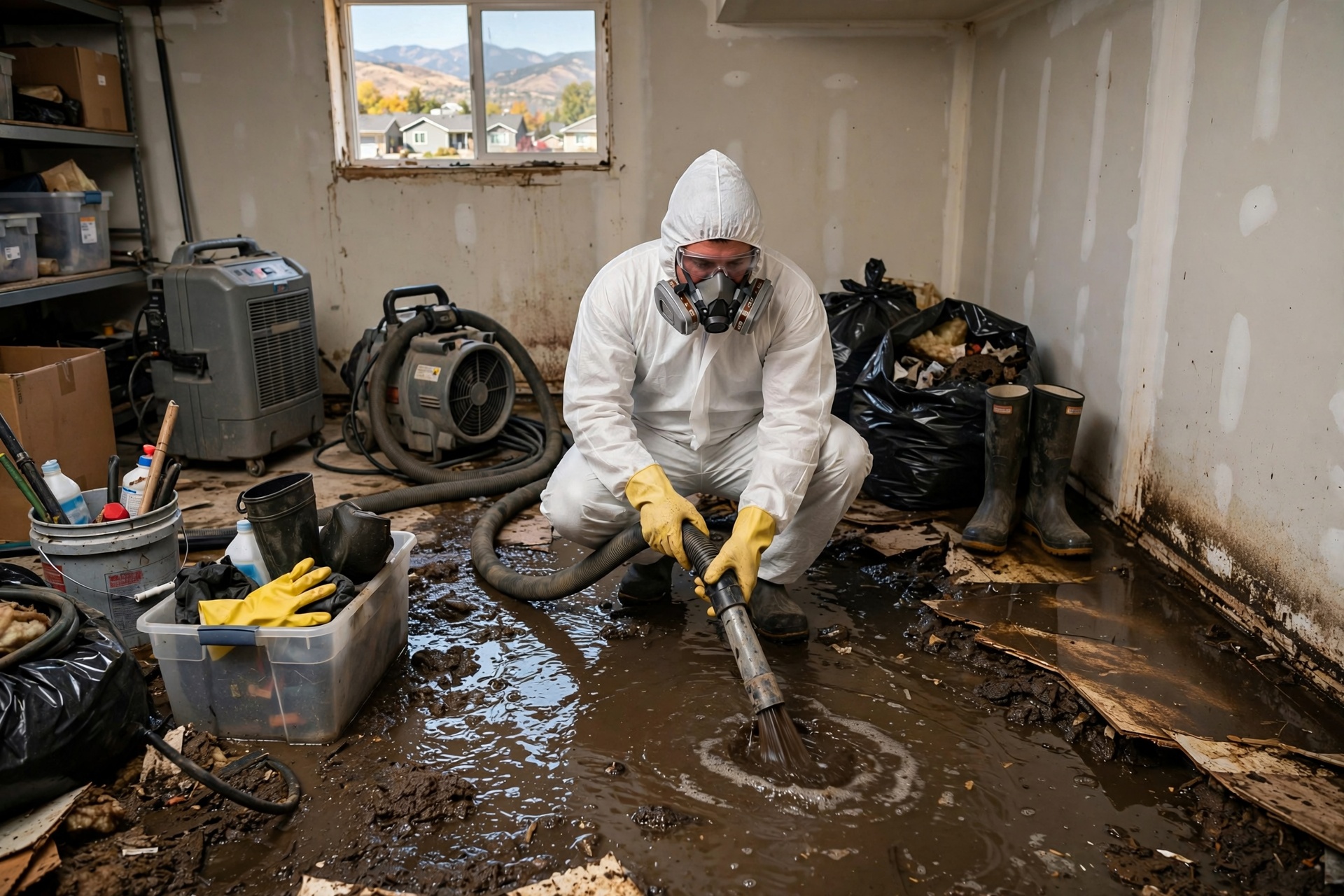
Sewage backup cleanup in Taylorsville, Utah starts with immediate extraction and containment to limit damage in homes built from the 1950s through 1980s that line streets near Taylorsville Park and Valley Fair Mall. These older properties often feature clay or cast-iron lines prone to root intrusion and joint failure during the shift from hot summers to freezing winters. Professional teams begin by isolating the affected zone, removing standing water, and assessing how far contamination reached into basements common in Taylorsville Central and Bennion.
Common Causes of Sewage Backups in Salt Lake County
Salt Lake County experiences frequent backups when heavy spring snowmelt overwhelms aging municipal lines that serve Taylorsville, West Valley City, and Murray. Tree roots from mature plantings around Redwood and near the Jordan River Parkway District enter pipe cracks, while grease buildup from household drains accelerates clogs in colder months. Semi-arid conditions with sudden winter freezes cause ground heave that stresses sewer laterals, especially in single-story ranch homes common throughout the area. Residents near Valley Fair Mall also report issues after heavy summer storms when stormwater infiltrates combined systems.
Step-by-Step Sewage Backup Cleanup Process
Teams arrive equipped for 24/7 Emergency Service and first pump out liquid using truck-mounted extractors rated for black water. Next they remove saturated carpet, drywall, and insulation up to 18 inches above the water line, then apply EPA-registered disinfectants across all hard surfaces. Sewage extraction and removal follows to clear solids before sewage disinfection and sanitization begins. Air movers and dehumidifiers run for 3–5 days to reach moisture readings below 12 percent in remaining wood and concrete. Final clearance testing confirms no viable pathogens remain before reconstruction starts.
Health and Safety Considerations During Cleanup
Sewage contains bacteria, viruses, and parasites that remain active for weeks in cold, moist Salt Lake County basements. Workers wear full PPE including respirators and Tyvek suits while containing odors that travel through HVAC systems in multi-level homes near Bennion. Homeowners must avoid contact and relocate pets until clearance. Proper disposal of contaminated materials at approved Salt Lake County landfills prevents secondary exposure during transport from Taylorsville addresses.
Local Climate and Terrain Factors in Taylorsville
Taylorsville's cold snowy winters slow drying times compared with hot summers when evaporation helps, requiring extra dehumidification capacity in homes around Taylorsville Park. The flat terrain near Redwood allows water to pool rather than drain, extending contact time with foundations. Soil in the area is often clay-heavy, retaining moisture that wicks into slab edges and complicates structural drying and dehumidification. These conditions differ from nearby Salt Lake City neighborhoods where steeper grades aid runoff.
When to Call Professionals Versus DIY Attempts
Homeowners can handle small toilet overflows with household disinfectants, but any backup that reaches finished floors or HVAC ducts demands licensed extraction crews. Properties in Atherton West and Westbrook with finished basements risk hidden mold growth behind walls if drying is incomplete. Complete Guide to Sewer backup cleanup in Taylorsville, Utah details when line repairs must accompany surface cleanup. Delaying professional response beyond 48 hours in winter conditions often doubles restoration costs due to hidden saturation in subfloors.