2026-10-19 ·
Complete Guide to Contaminated material removal in Taylorsville, Utah
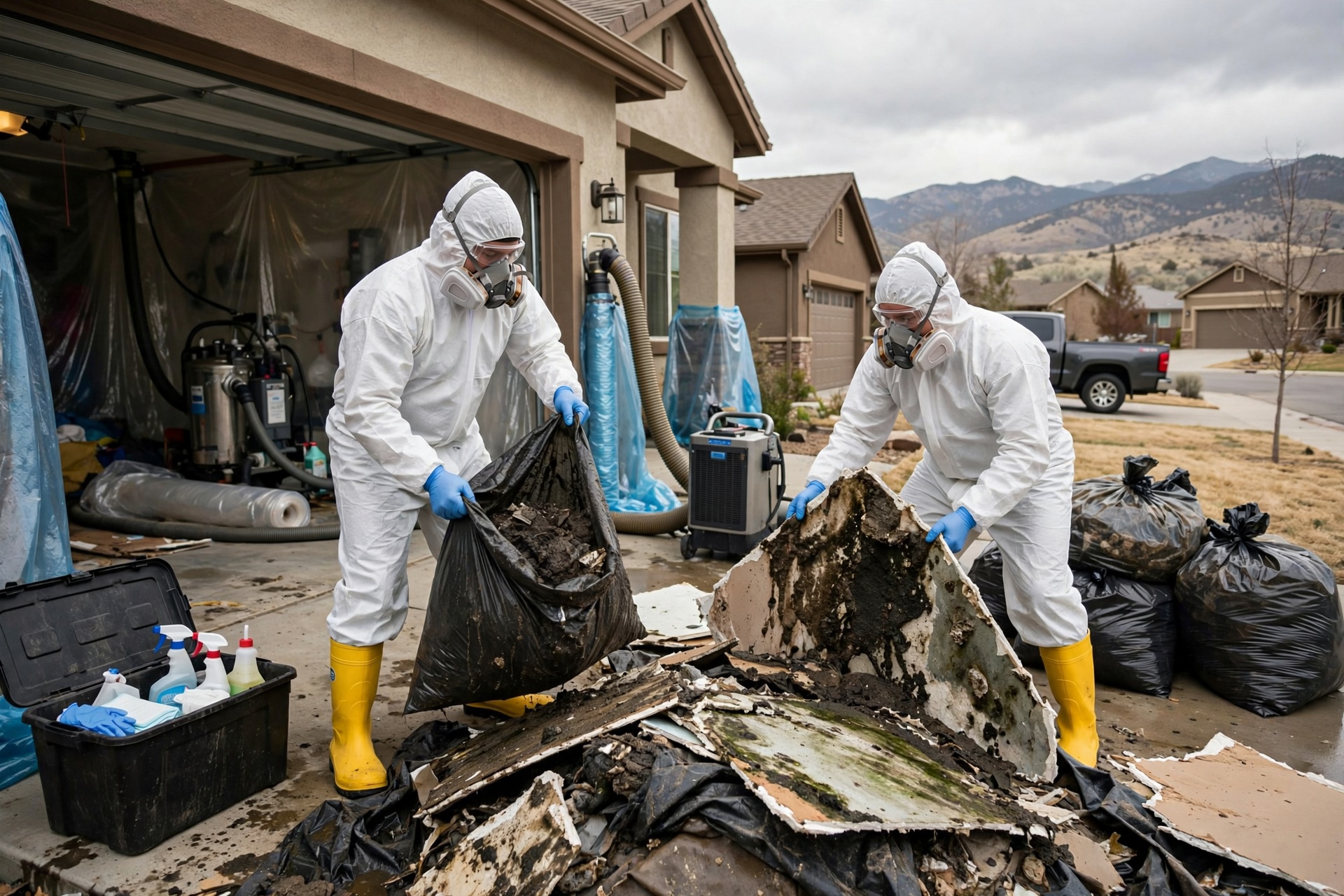
Contaminated material removal in Taylorsville focuses on extracting and disposing of items saturated by sewage backups in homes across Taylorsville Central, Bennion, and Redwood. The process begins with identifying porous materials like carpet, drywall, and insulation that cannot be salvaged after exposure to black water. In Salt Lake County's semi-arid climate, hot summers accelerate bacterial growth on affected surfaces while cold snowy winters can freeze standing water and complicate extraction in older housing stock built before 1980.
Identifying Contaminated Materials After Sewage Backup
Sewage backups in Taylorsville often affect basements and ground-level rooms in single-family homes near Taylorsville Park and Valley Fair Mall. Porous items such as carpet padding, particleboard cabinets, and upholstered furniture absorb contaminants quickly and require full removal rather than cleaning. Non-porous surfaces like tile or sealed concrete may be salvageable after thorough disinfection, but any material showing visible staining or odor must be cut out and bagged on site. Local terrain with flat valley floors allows water to pool longer during winter thaws, increasing saturation depth in lower levels. Operators assess each room by lifting flooring and checking wall cavities up to 18 inches above the water line to locate hidden moisture. This step prevents mold colonies from forming once temperatures rise above 70 degrees in summer.
Local Factors Affecting Removal in Salt Lake County
Taylorsville's proximity to West Valley City, Murray, and Salt Lake City means many homes share older sewer lines prone to root intrusion and heavy rainfall overloads. Cold winters bring snowmelt that raises groundwater levels and pushes sewage into foundations along the Redwood Corridor. Hot summers dry surface soil rapidly but leave deep moisture in crawl spaces, requiring targeted removal of insulation and subflooring. Homes in Bennion often feature slab-on-grade construction that traps water under cabinets and appliances, extending the scope of material disposal. Crews must account for these seasonal shifts when planning removal timelines, as frozen ground in January slows access while July heat increases odor migration through open windows. Soil conditions with high clay content in parts of Taylorsville retain moisture longer, raising the risk of secondary contamination if removed materials are not immediately sealed.
Step-by-Step Removal Process
The removal sequence starts with PPE setup and containment barriers to isolate the affected zone. Workers then extract standing water using truck-mounted pumps before cutting and removing saturated drywall sections in 2-foot increments. Flooring comes next, with carpet rolled and bagged separately from padding to avoid cross-contamination. All items move directly to lined dumpsters for transport to approved disposal sites outside Salt Lake County. After bulk removal, crews vacuum remaining debris from joist cavities and apply initial sanitizers. Documentation includes photos of each removed item and its original location for insurance purposes. This methodical approach limits airborne particles in the dry Utah air, where dust can carry contaminants to unaffected rooms.
Disposal and Follow-Up Considerations
Removed materials from Taylorsville jobs must follow Salt Lake County waste regulations for biohazardous debris. Sealed bags travel to permitted landfills rather than standard transfer stations. Homeowners receive a manifest listing quantities and disposal location. After removal, the focus shifts to drying exposed framing and subfloors before reconstruction begins. In neighborhoods like Redwood, narrow lots limit equipment staging, so crews often stage dumpsters on the street and use smaller carts for transport. Regular checks during the first 48 hours after removal confirm no residual moisture remains in wall cavities. This prevents repeat issues during the next cold snap when pipes are more likely to freeze and burst.
Related Services for Complete Restoration
After contaminated material removal, many Taylorsville properties require sewage extraction and removal to clear remaining liquids from hidden voids. Sewage disinfection and sanitization follows to neutralize pathogens on exposed surfaces. For properties with repeated issues, reviewing the Complete Guide to Basement sewage cleanup in Taylorsville, Utah provides additional context on prevention. Residents in Bennion can also reference the Complete Guide to Sewer backup cleanup in Taylorsville, Utah for tailored steps. These resources address common challenges in Salt Lake County housing without overlapping the removal focus covered here.